
Il Borghetto, the village that left a will on a church wall
Just outside Mendatica, a man lies in bed dictating his will. His name is Filippo Aschero. A notary sits beside him under a green-lined canopy. The painter picked out each floor tile with a red rectangle and a dot. To meet someone from the lost village of Borghetto, step inside Santa Margherita and look up at the arch over the first bay.
Aschero left the income from a plot called Rovoira to pay for Masses. After his death the massari, the churchwardens, would see to it. Anna Marchini read the inscription beside the scene. It names Martino Lorenzi and Paolo Aschero as the men who wanted that promise kept in plain sight. The date below, 2 December 1531, may be the day the painting was made. Outside, a different date, 1512, is cut into the side doorway.
How the neighbours chose their church
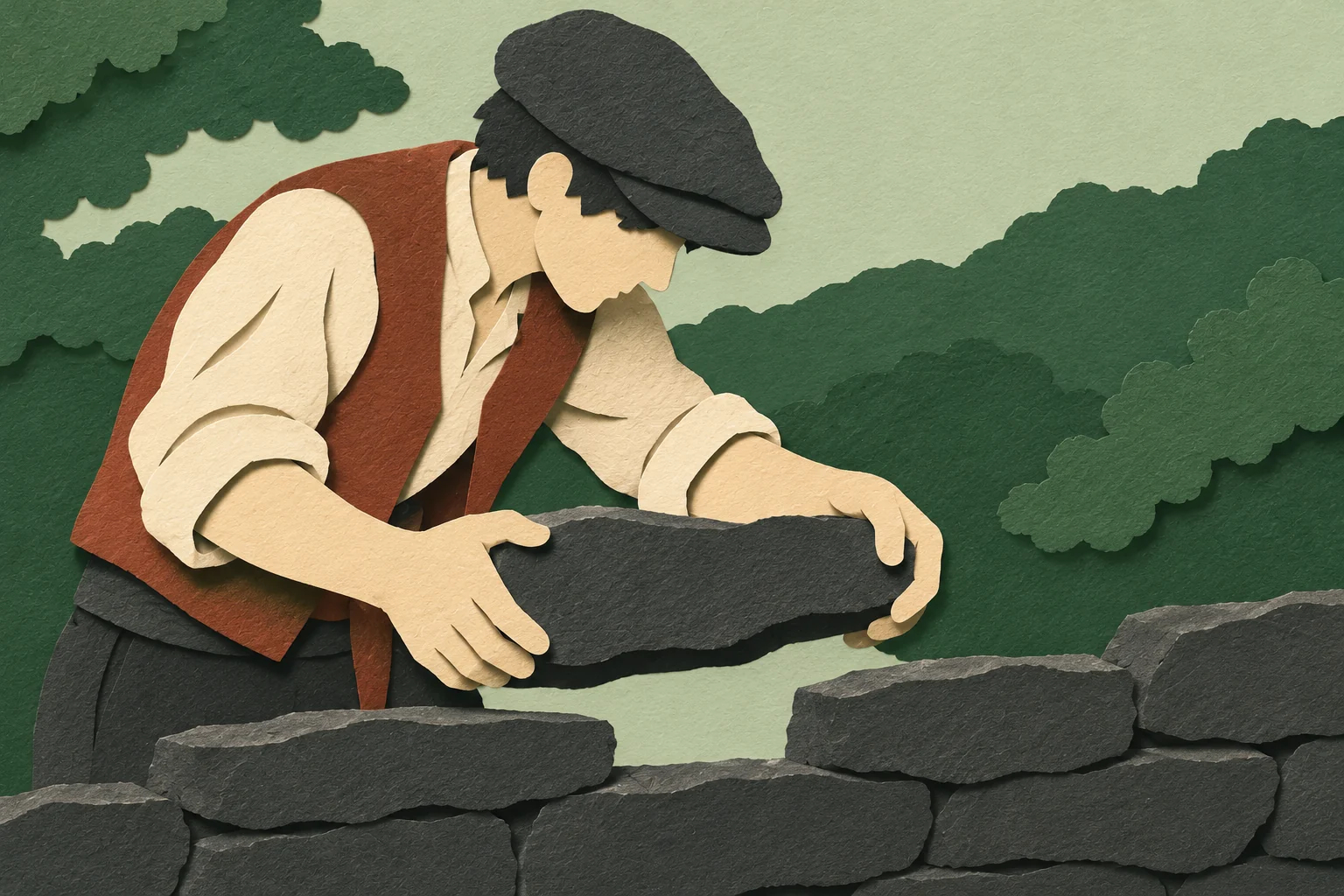
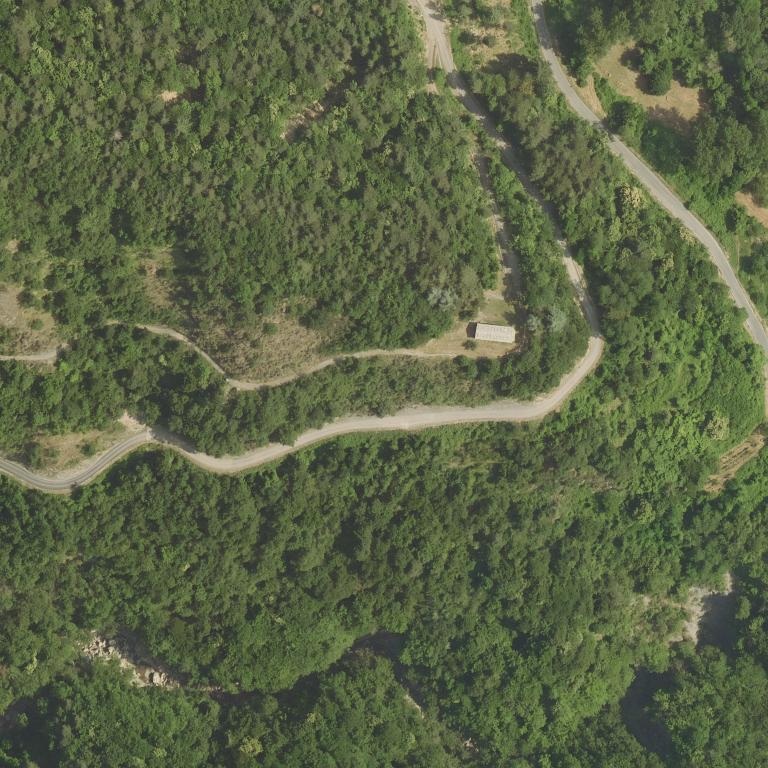
Santa Margherita stands alone on the rise called delle Furche. An old Mendatica guide tells how the families of Borghetto lived in scattered hamlets. Each wanted its own parish church. Walls went up in daylight and neighbours slipped out after dark to pull them down. In the end, the heads of the households are said to have agreed on a spot equally far from them all and built one church together. That was how people in Mendatica explained its position. Where the individual houses stood is still uncertain.
There are several dates for the earliest written trace of the village. The Italian heritage charity FAI gives 1321. Marchini describes a division of land between the Ventimiglia and Lengueglia families in 1323. The old village guide cites a document of 1328. The original records would need to be compared to establish which mentions Borghetto first. Its end is also difficult to date precisely. The heritage guide Città e Cattedrali places its destruction in the war between Genoa and Savoy in 1625. Marchini regards that year as probable. In 1660 G. B. Gastaldo copied a drawing that was then returned to Lorenzo Morcio, mayor of Cosio. Borghetto was still among the places it named. A name could stay on a map after the families had gone.
During the First World War the church found another use. The heritage guide Città e Cattedrali records that Polish prisoners were lodged here while they widened the mule track below. For a time the path visitors now take to Borghetto was the workplace of the men who slept inside its church.
Walking from Mendatica
From the parking area below Mendatica’s parish church, walk back along the provincial road for about 200 metres to the signposted bend. Take the little road that runs level, then the right-hand branch to Santa Margherita. To see Filippo’s bed and the Passion scenes attributed to Pietro Guido da Ranzo, arrange to go inside with the Pro Loco visitor office. The park’s July 2026 Borghetto walk linked Mendatica with Montegrosso Pian Latte. If you are thinking of continuing towards the waterfalls, check the separate park notice for that circuit. On 23 November 2026 it still carried a temporary closure.
Sources and visitor information
- Anna Marchini on the painting and Aschero’s bequest
- Mendatica’s 2008 guide and the story of the rival hamlets
- FAI’s account of 1321
- Diocese of Mondovì on the doorway and guided visits
- State heritage register, Mendatica entry 2
- Gastaldo’s drawing, figure 2a
- The church on the map
- Walking directions to the church
- The July 2026 Borghetto walk
- Visitor office and bookings
-
Explore further · Santa Margherita, three dates between the door and the altar
Photographs and credits
Santa Margherita on the rise called delle Furche. The pale-roofed building is the church. AGEA orthophotography, Liguria flight of 2022, north at the top. Nine tiles joined for this view. Flight record · Centre tile · CC BY 4.0.
Cover illustration. A neighbour takes down the wall. The editors used ImageGen to interpret the legend of Borghetto’s rival hamlets.